Paws, Trains and Bunkhouse Beds: How to Book a Dog-Friendly Adventure Without the Car Boot Tetris
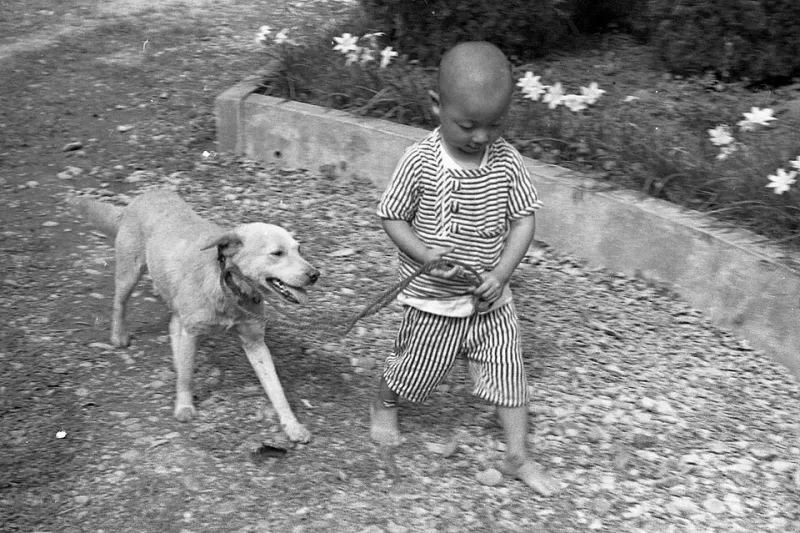
Photo: 鄧南光, Public domain, via Wikimedia Commons
There is a particular kind of British holiday maths that begins with a dog and ends with a car boot full of towels, a crate, three leads and a vague sense of resentment. You booked a walking break. Somewhere along the way, it became a logistics exercise with a view.
The problem is rarely the dog. It is the word “dog-friendly”. On a hotel website, it can mean a bowl by the door and a tolerant bar manager. On an adventure itinerary, it needs to mean something much more operational: the dog can sleep where you sleep, walk from the door, dry off in a proper space, and be within reach of food and a train station that does not require a taxi firm with a no-paws policy.
At Just4U Explorer Travel Holidays, we are all for bringing the fourth traveller. But the good ones are not booked on sentiment. They are booked on specifics.
Start with the route, not the room
Most people search accommodation first. For a dog-friendly adventure, that is backwards. Find the walking first. Then find a bed that sits inside the walk, not twenty-five minutes’ drive from it.
A simple test: can you leave the front door on foot and be on a decent path within ten minutes? If the answer is no for every day of the trip, you have booked a driving holiday with a walk attached. That is fine if you wanted a driving holiday. It is less fine if you promised yourself a car-free weekend in the Dales.
Look at the OS map before the booking page. Check footpaths from the village, the nearest train station, and whether the pub is walkable in muddy boots. Bases such as Edale, Horton-in-Ribblesdale, Betws-y-Coed and Dunkeld are useful examples of places where the station, the path and the tea room can all be part of the same day. They are not the only options, but they show what “dog-friendly” should look like on the ground: fewer car keys, more lead work.
What “dog-friendly” is actually code for
On a bunkhouse or hostel listing, dog-friendly can mean one designated room, a kennel in the yard, or a relaxed owner who likes Labradors. Those are three very different holidays.
Ask where the dog is allowed, not simply whether dogs are allowed. Can it sleep in the room? Is that a private room or a dorm? Can it go in the communal kitchen? Is there a drying room or boot room where a wet dog can settle without turning the whole place into a swamp? Some places welcome dogs in the bar but not in the accommodation. Some allow them in private rooms but not dorms, which makes sense for allergy reasons but can scupper a cheap weekend if you were planning to share.
Also ask about the money. A per-night dog charge is normal, but check what it covers and whether there is a separate cleaning fee or damage deposit. Ask about size and breed limits, maximum numbers, and whether the dog can be left alone in the room. Many places say no, and they are right to. That is not a deal-breaker, but it does shape your evening. If the dog cannot be left, you need a pub or a takeaway within walking distance, not a restaurant booked three miles away.
The questions worth sending before you pay
A short, polite email saves a lot of sighing in a wet car park. Ask:
- Where exactly can the dog go — bedroom, kitchen, lounge, drying room?
- Is there a per-night charge, deposit or cleaning fee?
- Are there breed, size or number limits?
- Can the dog be left alone in the room, and if not, what do other guests do about meals?
- What are the rules around livestock, wildlife and leads?
- Is there a vet nearby, and what is the emergency number?
- How do you reach the base by train, bus or dog-friendly taxi?
- What happens in wet weather — hose, towels, drying space?
- Are there dog-friendly pubs or cafés within a short walk?
- Is there enough floor space for a crate or dog bed without blocking the fire exit?
If the answers are vague, assume the worst. “Oh, it’ll be fine” is not a booking policy. It is a hope.
Train-friendly beats car-friendly
One of the quiet joys of a dog-friendly break is arriving without the car. UK train operators generally allow dogs without a charge, though rules vary on leads, seats and busy services, so check the specific operator before you travel. The bigger issue is the last mile. A station two miles from the bunkhouse is only useful if there is a footpath, a bus that takes dogs, or a taxi firm that does not sigh when you ring.
This is why trail bases matter. A village with a station, a shop, a pub and a path out the back is worth more than a bargain room in the middle of nowhere. It also keeps the trip honest. If you can arrive by train and walk from the door, you have removed the car shuttle, the parking charge and the argument about whose turn it is to drive back from the pub.
Bunkhouses are not a compromise
A good bunkhouse can be ideal: drying room, communal kitchen, boot space, and a culture where muddy paws are less of an event than in a hotel lobby. The trick is to book the right room type. A private room in a hostel or bunkhouse often gives you the dog-friendly flexibility without forcing a dorm full of strangers to share their sleep with your spaniel.
Ask about floor space, bedding and noise. A dog that settles under a table in a busy kitchen is a different proposition from one that barks at every door. Be honest with yourself about your dog’s temperament. A dog-friendly adventure is not a training course. If your dog finds new places stressful, a quieter farm stay or self-catering cottage may be the kinder choice — and the better holiday.
Build in the muddy-paw plan
Every dog-friendly trip needs a wet-weather plan that does not involve apologising continuously. Pack a towel, a water bottle, a long line for open ground and a short lead for livestock country. Check the seasonal rules on lead use where you are walking. In upland areas, ground-nesting birds and sheep are not background scenery; they are the reason the rules exist.
Plan meals around the dog rather than hoping for the best. A pub with a flagged dog area is not the same as a pub where the dog can actually lie down without being stepped over. Ring ahead if you are booking a table. And do not forget the dog’s own rest. A big hill day is a big day for four legs too. Older dogs and young dogs may need a shorter route and a lie-in, which is hardly a hardship when the alternative is a bunkhouse breakfast and a second pot of tea.
The real test
A genuinely dog-friendly adventure passes a simple test: you can arrive without a car, walk from the door, sleep in the same room as your dog, eat within a short stroll, and dry everyone off without a drama. If you can do that in 2026, you have found something better than a pet-friendly hotel. You have found a trip where the fourth traveller is part of the plan, not a problem to be parked.