Read the Kit List, Save the Holiday: The Clues Hiding in an Operator's Packing Notes
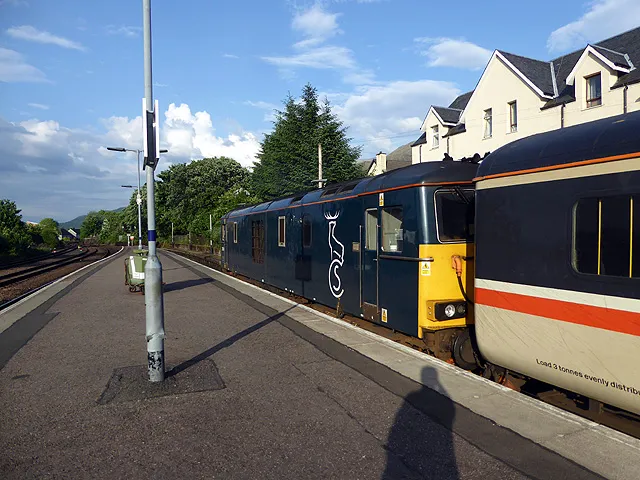
Photo: Basotxerri, CC BY-SA 4.0, via Wikimedia Commons
Most of us treat the packing list as admin — something to skim the night before the bag comes out. That is a mistake. Of all the documents a tour operator publishes, the kit list is the least polished and the most revealing. Brochure copy is written by marketing. The kit list is written by whoever has to walk the route, count the bags onto the ferry and hand out plasters at the end of day three.
Read it properly and you can work out the pace, the comfort level, the sort of people you will be sharing a table with, and — crucially — whether the word 'explorer' in the title actually means anything. Here is what to look for.
1. The waterproof wording is doing a lot of unpaid work
There is a world of difference between a list that says 'waterproof jacket' and one that says 'waterproof shell, 20,000mm rating or better, plus waterproof trousers — we will be out in all weathers'.
The first is a suggestion. The second is a warning from someone who has been rained on in that exact valley in that exact month. If a trip involves exposed coast path or Scottish hills and the kit list does not mention waterproof trousers at all, either the itinerary is far gentler than the photos suggest, or the operator has never had a genuinely wet day. Both are worth knowing.
Also watch for the phrase 'water-resistant'. It is honest, and it tells you the trip is unlikely to involve hours of sustained rain — fine for a gentle coastal wander, less fine if you are crossing a moor.
2. Boots are a speed and terrain gauge
Boot advice is effectively a terrain report. 'Sturdy trainers are fine' means valley paths, boardwalks and short days. 'Boots with decent ankle support, broken in' means rough ground, loose scree or bogs. Anything mentioning crampons, winter boots or grade B2 footwear is telling you this is a proper mountain day and you should not be learning about it on the trip.
A useful extra signal: does the operator offer boot hire? If they do, they expect a mixed-ability group and are trying to remove a barrier to booking. That is not a bad thing — it just tells you this is an entry-level trip dressed in adventurous clothing.
3. The luggage line tells you about pace and transfers
'One soft duffel, 60 litres maximum, no wheels' is the most honest sentence in travel. It means boats, minibus boots, narrow stairs and possibly a short carry. A trip that specifies a wheeled suitcase is a trip built around hotels, lifts and tarmac.
Pay attention to any line about carrying your own bag. 'You will carry your bag between 2km and 4km on two days' is a fair and unusual piece of transparency — believe it, and pack accordingly. Weight limits on ferries and small aircraft (the Isles of Scilly skybus, for example) are hard limits, not suggestions, and a good operator will flag them at the top rather than in the small print.
4. Evening wear is a personality test
What you are asked to wear after the walk says a great deal. 'Pub meals, no dress code, one warm layer' points to a relaxed, mixed group and a trip where the day's conversation carries into the evening.
'One smart-casual outfit for dinners' means a hotel-based trip with a dining room and a set time. Perfectly lovely — but a different animal. And if a supposedly rugged itinerary asks you to pack something smart for a formal dinner, you are probably on a coach tour with walking built in.
5. What is missing from the list matters as much as what is on it
No towel mentioned? Probably provided — but ask. No sleeping bag on a multi-day route? It means bunkhouse bedding is included or the trip is hotel-based. No laundry advice on anything over five days is a small red flag; most people want to know whether a sink rinse will do.
Some absences are quietly telling. No power bank on a wild camping trip suggests either generous mains access or an itinerary that has not been thought through. No mention of cash for remote pubs, ferries and honesty boxes is a common oversight that catches out first-timers in the Highlands and on the Welsh coast.
6. Group kit reveals how self-sufficient you will be
Look for who carries the first aid kit, the map, the group shelter and any communication device. If the answer is 'your guide carries everything', you are on a guided trip with a safety net. If you are asked to bring your own compass and map, the trip is assuming some competence — and you should be honest with yourself about whether you have it.
Questions worth asking before the deposit
- What waterproof rating do you actually recommend for this route in this month?
- Is there any point where I carry my bag for more than a kilometre?
- How many people in a typical group, and what is the age range been lately?
- What happens if the weather turns — is there a plan B itinerary?
- Will the guide carry a first aid kit and a means of calling for help?
- Can I hire boots or a sleeping bag rather than buy them?
The bottom line
A kit list is a confession. It tells you how hard the days are, how much comfort you are buying and how much of the adventure is genuinely yours to handle. If the list reads like it was written by someone who has done the trip, book with confidence. If it reads like it was copied from a brochure and lightly edited, ask a few questions — or look elsewhere.