The Fine Print on the Fell: A Plain-English Guide to Adventure Cover
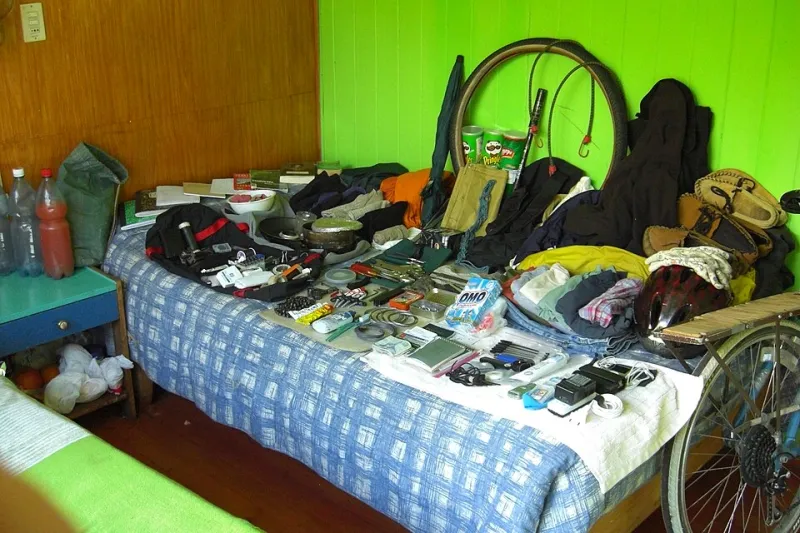
Photo: Jason Hollinger, CC BY 2.0, via Wikimedia Commons
You have chosen the trip, paid the deposit and started thinking about boots. Then comes the insurance tab. It is tempting to click the cheapest option with the word adventure somewhere in the title and move on. That is usually the moment the trouble starts.
Adventure cover is not a single product with a single meaning. Insurers do not think in vibes. They think in activities, grades, conditions and, most importantly, wording. A policy that happily covers a weekend of waymarked hillwalking may have nothing to say about a guided via ferrata, a winter skills course in the Cairngorms or a sea-kayaking session off Pembrokeshire. The difference is not always obvious until you read the activity schedule.
Adventure Is Not a Box on the Form
Most policies do not list adventure as a category. They list specific activities: hiking, trekking, scrambling, kayaking, coasteering, climbing, winter mountaineering, mountain biking. Each comes with its own limits. Hiking on a waymarked trail is not the same risk as scrambling along a ridge. Kayaking on a sheltered loch is not the same as paddling on open sea. A policy can cover one and quietly exclude the other.
This is why the phrase adventure holiday is not much help to an insurer. It is a marketing phrase, not an underwriting one. Your job is to translate the trip into the language of the policy. If the itinerary says guided via ferrata in the Lake District, look for via ferrata in the wording. If it says winter skills in Scotland, look for winter mountaineering and check whether instruction is included. If it says coasteering in Cornwall, do not assume that because you are in the UK and wearing a wetsuit, the policy has it covered.
The Clause That Does the Heavy Lifting
The activity schedule is the part that matters most. It usually sits in the policy summary or the schedule of cover, and it tells you what is included, what is excluded and what needs an optional extension. Some policies use grades. Some use altitude limits. Some use guided versus independent travel. A few use all three.
Take a common example. A policy might cover trekking up to 3,000 metres but exclude winter mountaineering. That sounds reasonable until you realise a winter skills course in the Cairngorms is not really about altitude. It is about conditions, equipment and terrain. The altitude limit tells you nothing useful. The activity list does.
Another example: scrambling. Some policies cover scrambling up to a certain grade, often grade one or grade two. Above that, it may be treated as climbing. If your trip includes a guided scramble on Skye and the policy only mentions hillwalking, you have a gap. It may not matter. It may matter a great deal if you slip.
Where Policies Quietly Draw the Line
Most exclusions are not hidden in bad faith. They are simply written for a general audience and do not anticipate your specific trip. Still, they are worth finding before you pay. Common limits include:
- Altitude caps, often somewhere between 2,500 and 4,000 metres, depending on the policy.
- Activity grades for scrambling, climbing and mountaineering.
- Sea kayaking beyond sheltered water, or kayaking without a qualified guide.
- Via ferrata, which is frequently treated as climbing or mountaineering rather than hiking.
- Coasteering, which some standard policies exclude outright.
- Mountain biking on technical trails, and e-bike cover, which varies widely.
- Solo or unsupported adventures, especially in remote areas.
- Pre-existing medical conditions, which need to be declared and accepted.
- Claims where you were under the influence of alcohol or ignored guide advice.
One more thing worth checking: rescue and repatriation. In the UK, mountain rescue teams are volunteer-led and free at the point of use, but that does not mean every related cost is covered. Abroad, a helicopter evacuation can be eye-watering. Check what the policy says about mountain rescue, search costs and getting you home.
Three Questions to Ask Before the Deposit
You do not need to become an insurance expert. You need a paper trail. Before you commit, ask the operator and the insurer these questions.
First, can you send me the exact activity wording? Not the brochure headline. The itinerary and the activity list. Then ask the insurer to confirm in writing that those activities are covered. An email is fine. A phone call is fine if you note the date, time and who you spoke to.
Second, is the trip guided, and does the policy care who is holding the rope? Some policies require a qualified or licensed guide for certain activities. Others do not. If your winter skills course is led by an instructor, check whether the policy recognises that. If you are going independently, check whether that changes anything.
Third, what happens if you are injured before you go? Cancellation cover is not the glamorous part of insurance, but it is the part most likely to be used. If you break an ankle three weeks before a kayaking trip, can you recover the deposit? Does the policy cover cancellation because of injury, illness or a family emergency? And does it cover the cost of getting home early if something goes wrong mid-trip?
The UK Trip Trap
There is a persistent belief that you do not need travel insurance for a UK trip. After all, you are not flying anywhere and the NHS is right there. That is true as far as it goes, but it misses the point. Travel insurance for a UK adventure is less about emergency medical treatment and more about cancellation, curtailment, lost gear, personal liability and the cost of getting home from a remote corner of Scotland when the weather turns.
If you have paid a few hundred pounds for a guided trip, or several hundred for accommodation, cancellation cover is the practical bit. If your kayak is swept away or your bike is stolen, gear cover matters. If you cause an accident and someone else is injured, personal liability matters. None of that is replaced by the NHS.
A Worked Example, Without the Jargon
Imagine a long weekend in the Lake District. Day one is a guided via ferrata. Day two is a hillwalk. You buy a standard policy that covers hiking and trekking. You do not add via ferrata because it sounds like hiking with extra steps. It is not. If you fall on the via ferrata and claim, the insurer may point to the activity list and decline. The hillwalk would have been covered. The via ferrata would not.
Now imagine a sea-kayaking weekend in Pembrokeshire. The policy covers kayaking. But the small print says kayaking on inland waters or sheltered coastal waters. You are paddling across a bay with a swell. That may fall outside the definition. Again, the gap is not personal. It is categorical.
What Good Cover Looks Like
There is no single best insurer, and this is not a brand recommendation. What good cover looks like is a policy that names your activities, states the limits clearly and gives you a phone number that works at 2am. It should cover cancellation, curtailment, emergency medical costs, rescue where relevant, personal liability and gear, with limits you have actually read.
If the insurer cannot confirm your activities in writing, or if the wording is vague enough that you are guessing, look elsewhere. The few minutes you spend matching the policy to the itinerary are cheaper than discovering the gap on a mountainside. The deposit is not the commitment. The policy is.