Who's Actually Holding the Map? A Field Guide to the People Running Your Adventure
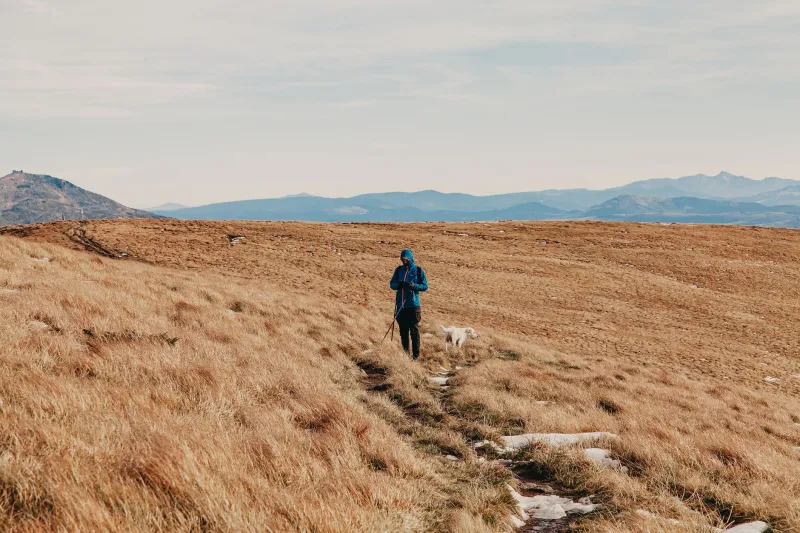
When you book an adventure holiday, you're not really buying a bed and a bus seat. You're buying the judgement of whoever is standing at the front of the group at 7.45am, deciding whether the cloud is going to lift or whether today's ridge is a bad idea.
The awkward bit is that operators work from a very small vocabulary of job titles, applied to a very wide range of people. Two companies can advertise an "expert-led" week in the Cairngorms and mean entirely different things. One might have a winter Mountain Leader with two decades on the plateau; the other might have a cheerful graduate with a clipboard and a minibus. Neither is automatically the wrong choice — but you deserve to know which one you're buying.
Three titles, roughly translated
Expedition Leader. This is the person with the whistle, the radio and the final say. Their currency is judgement: weather calls, route changes, river levels, when to turn back. On anything remotely technical — winter hills, tidal crossings, open water, via ferrata — they'll usually hold a recognised qualification and a current first-aid certificate, and they'll carry the group's safety kit. If the trip has any genuine risk in it, this role should be named, not implied.
Tour Manager. The organiser rather than the interpreter. Beds, transfers, luggage, restaurant bookings, the timings that keep a fourteen-person group from eating dinner at ten. A good tour manager is invisible and quietly brilliant; a bad one makes every day feel like a negotiation. Crucially, they don't need to know a lichen from a limestone to do the job well — and that's the point.
Local Guide. The person who knows whose land you're crossing, which café opens early, where the path actually goes when the map suggests otherwise, and the story behind the ruined chapel you'd otherwise walk straight past. Local guides are often freelance, booked for a day or an afternoon rather than the whole week, and their knowledge is the reason a decent itinerary becomes a memorable one.
Where the roles blur (and why that matters)
Small operators economise by having one person do all three. That can work beautifully — a guide who's cooked you breakfast, walked you up a hill and introduced you to the farmer is a rare and lovely thing. It can also mean somebody managing a group of sixteen while simultaneously driving a van, which is nobody's idea of good practice.
So when a trip says "your guide will meet you at the airport and accompany you throughout", ask what else they're doing. Driving? Cooking? Selling the next trip? Every extra hat means a little less attention on the bit you came for.
The ratio nobody prints on the brochure
How many people per guide is the single most underrated number in adventure travel. Rough working benchmarks: around 1:8 for hillwalking, tighter — often 1:6 or fewer — once ropes, water or winter conditions are involved, and up to 1:12 for a cultural or city-based day. A group of twenty with one leader isn't a guided adventure; it's a coach tour that occasionally walks.
What "expert-led" is code for
Expert in what, exactly? An ornithologist leading a week on the Northumberland coast is an expert — at birds. A former military instructor leading a navigation week is an expert at moving people across rough ground efficiently. Both are excellent, and they will produce completely different holidays. Neither is automatically an expert in the other's subject.
If the word "expert" appears without a subject attached, treat it as decoration until you're told otherwise.
Seven questions to ask before you pay
- How many guests will there be per guide, and what's the maximum group size?
- Is the leader qualified for this terrain, and which qualification?
- Does the same person stay with us all week, or do specialists join for individual days?
- Who drives — the guide, a separate driver, or public transport?
- How many guests has this leader taken on this specific route before?
- What happens if someone in the group can't continue — is there a second staff member to escort them back?
- Can you tell me the name and background of the leader now, or when will it be confirmed?
A good operator answers all seven without flinching. A great one has already put most of it on the website.
Warning signs worth heeding
Vague staffing language ("local guides as required") on a trip with real exposure. A leader who is also the sole driver on a long transfer day. Groups advertised as "small" at eighteen people. And the phrase "you'll be looked after by our team on the ground", which tells you precisely nothing.
The short version
Staffing is the itinerary's personality. A trip led by a qualified, well-rested expedition leader with a small group and a local guide for the odd day will feel focused, safe and quietly fascinating. The same itinerary with one overstretched tour manager and a coach will feel like a school trip with better scenery.
Ask the questions. The answers tell you more about your holiday than any photograph of a sunset ever will.